
See Change as It Happens
Heat, stimulate, or illuminate a region while imaging the sample.
In Situ Tools for Electron Microscopy
Waviks brings laser heating, optical excitation, spectroscopy, and electrical characterization to the point of analysis in electron microscopes.
Vesta Optical Accessories
Vesta product lines serve Tabletop SEM, Full-Size SEM/FIB, S/TEM, and custom vacuum systems.
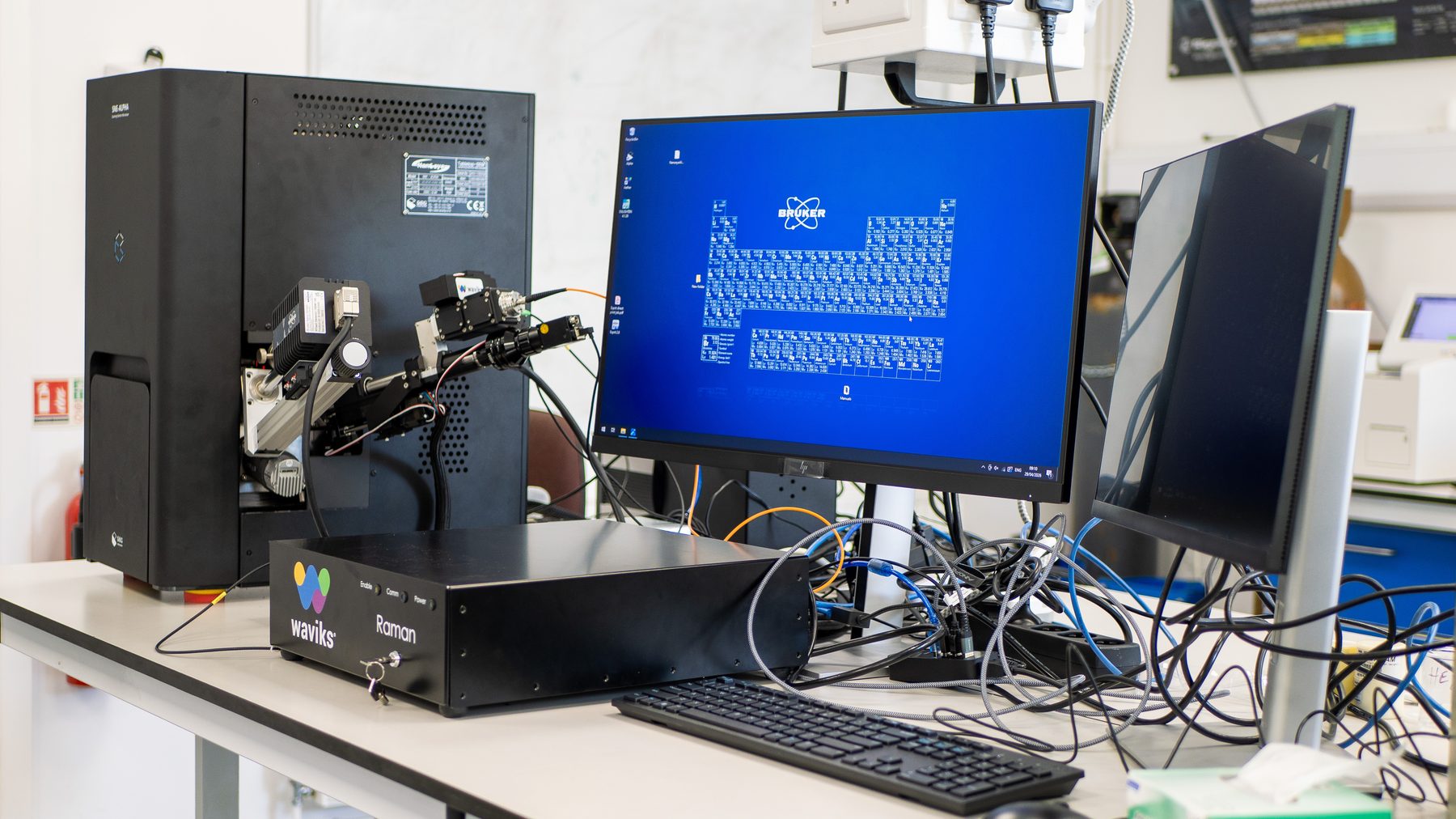
SEC Alpha Raman and electron imaging in a compact bench setup.
View Tabletop SEM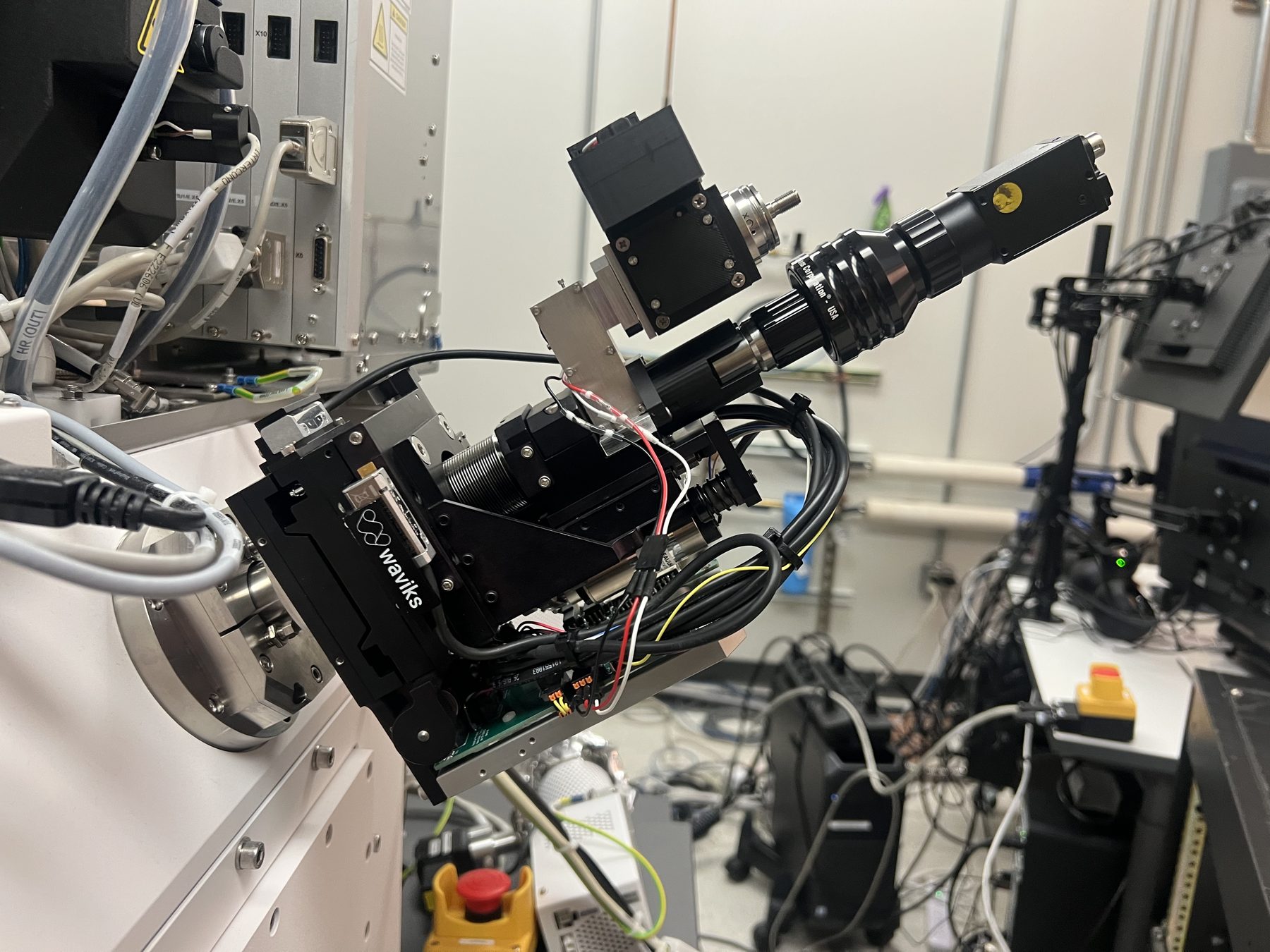
Raman, optical emission, heating, and laser-assisted processing.
View SEM/FIB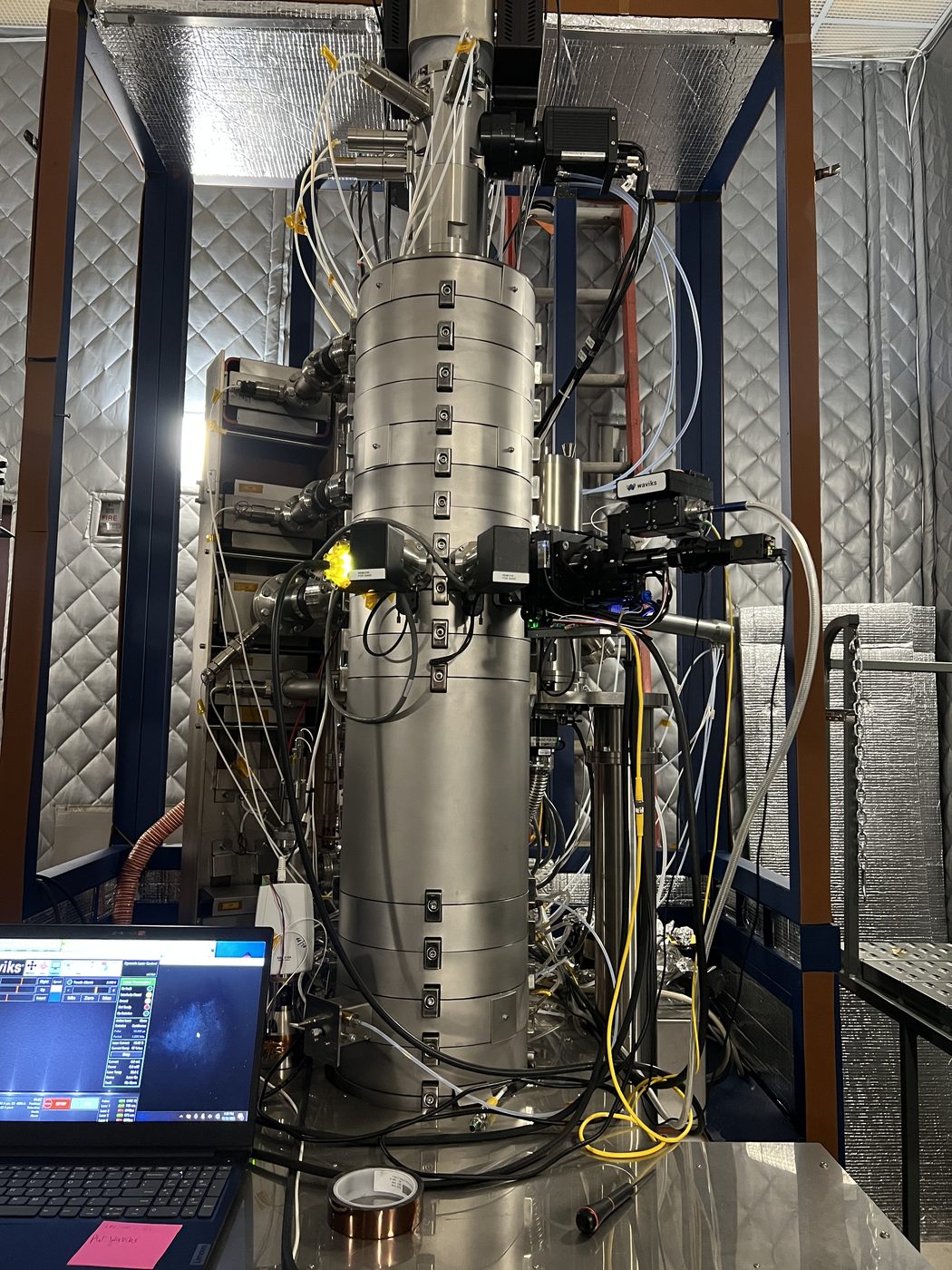
Local heating, optical excitation, and stimulated electron spectroscopy.
View S/TEM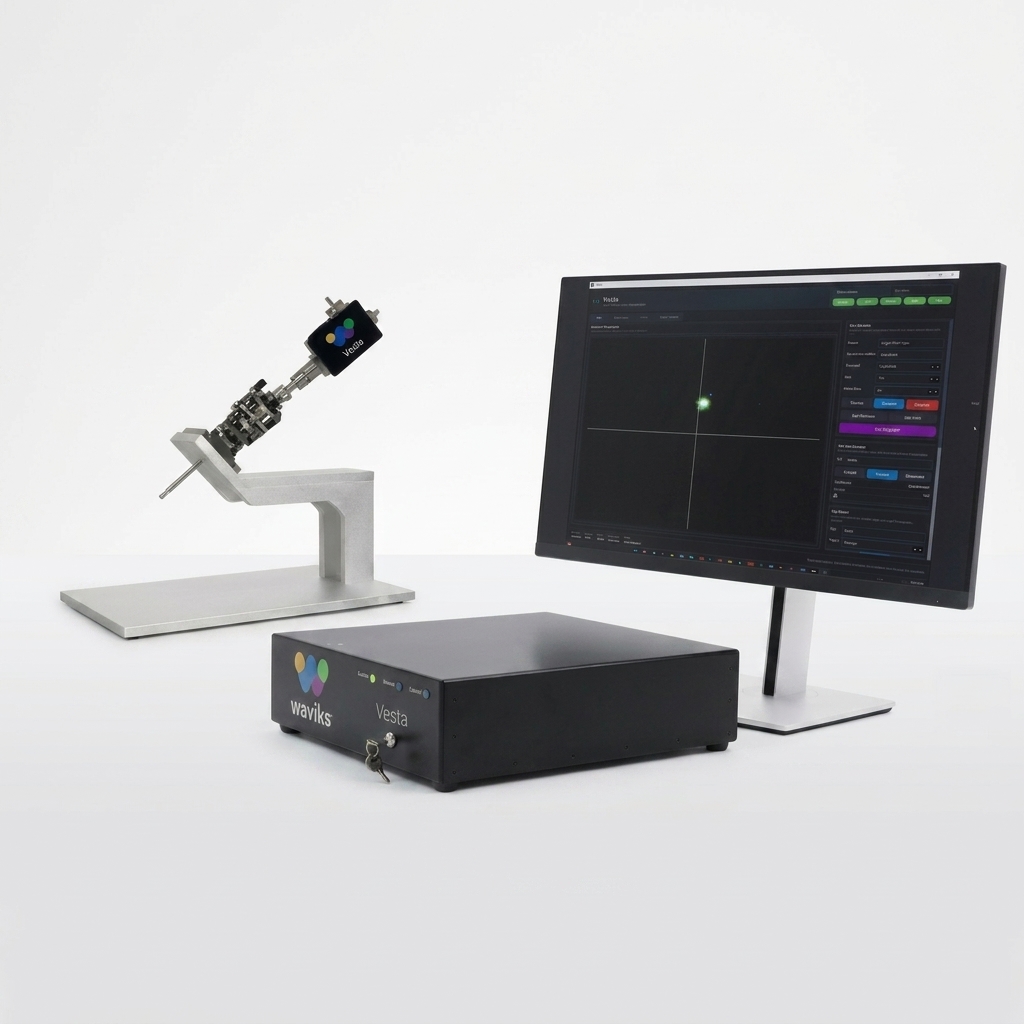
Optical access and measurement paths for specialized chamber designs.
View Custom Vacuum SystemsApplications
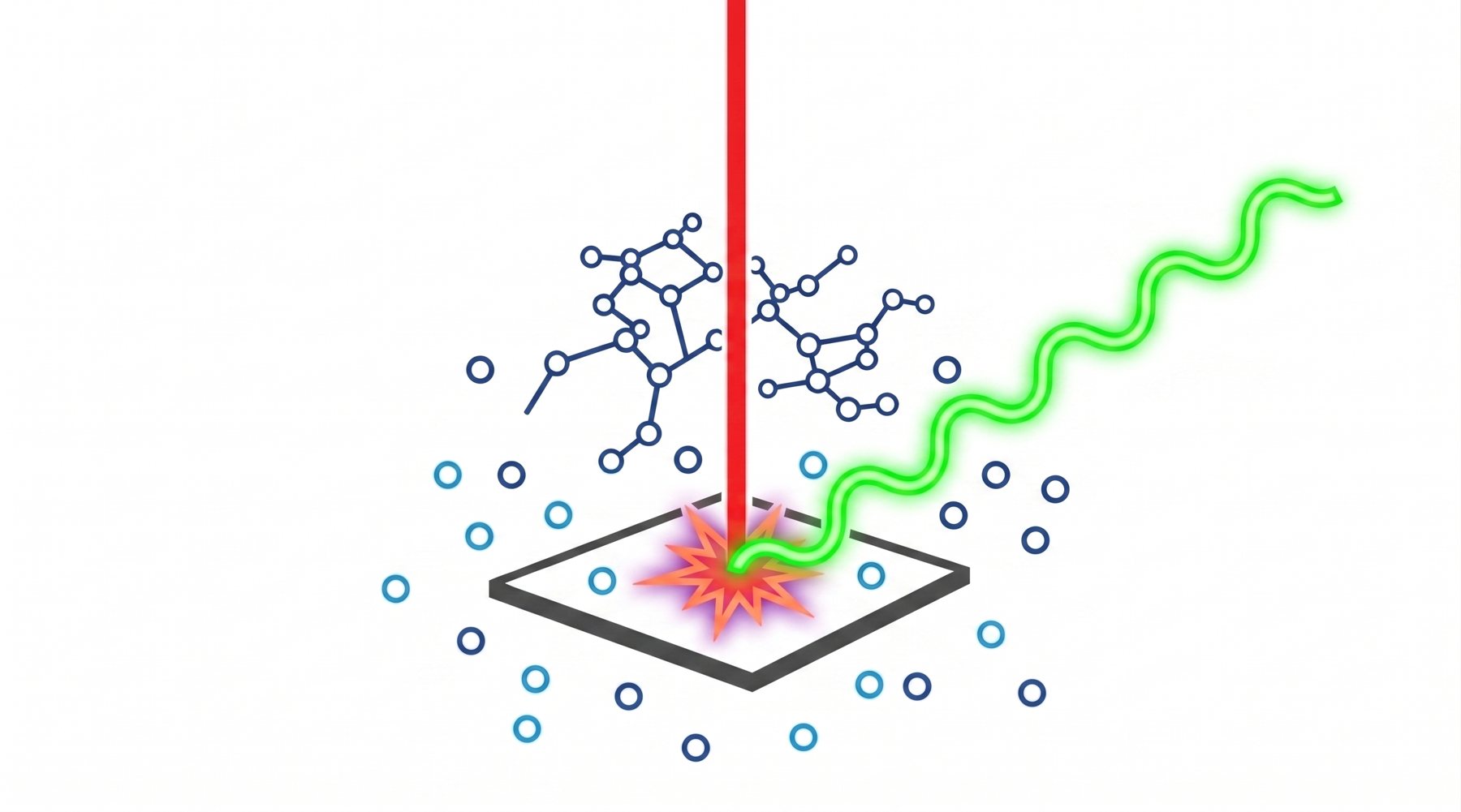
Heat a selected region while the microscope records the response.
View Laser Heating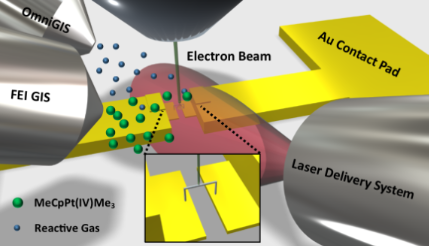
Combine laser illumination with beam-based deposition, purification, and etching.
View Laser-Assisted Nanofabrication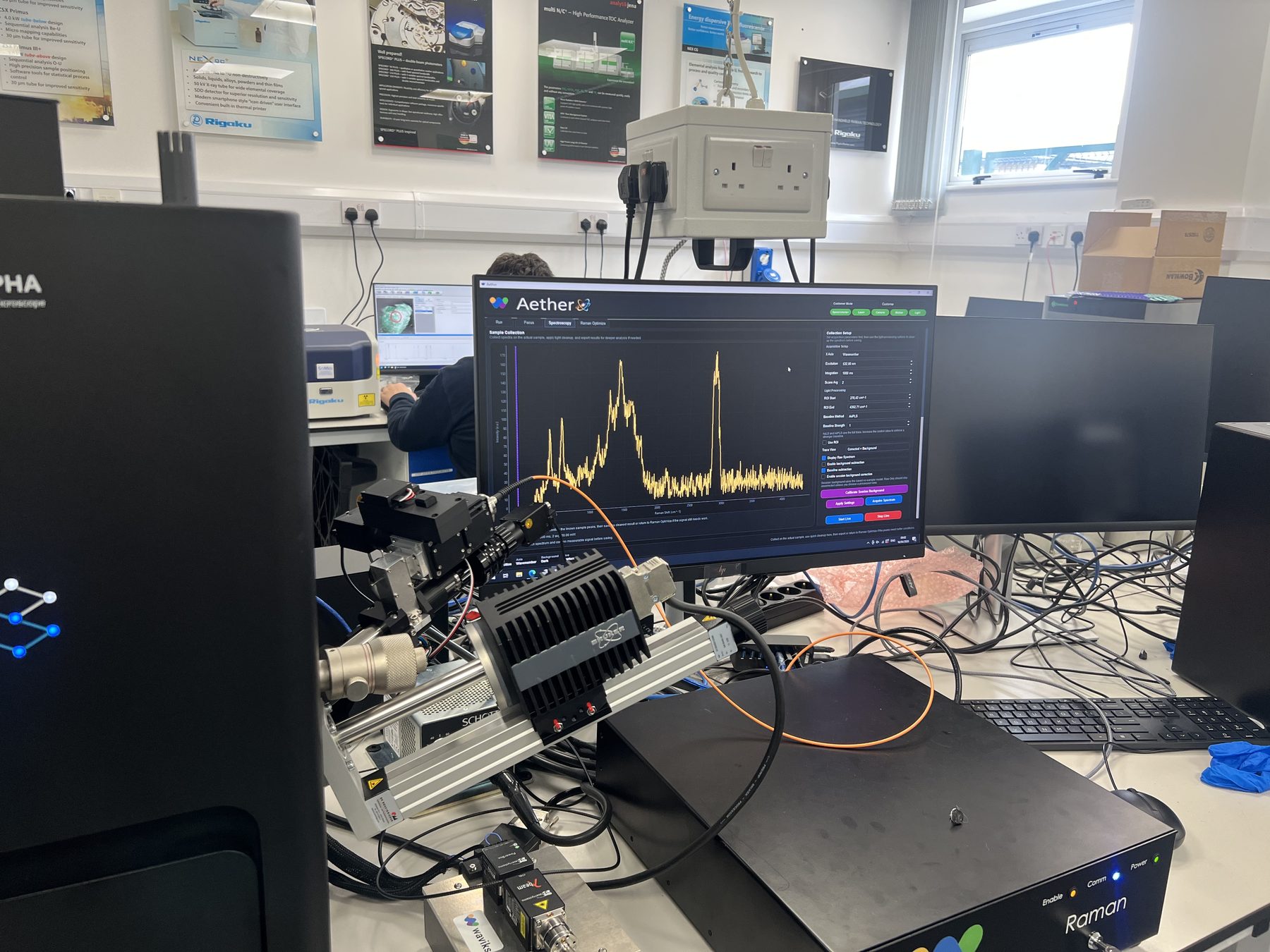
Add vibrational spectra at or near the imaged region.
View Raman Spectroscopy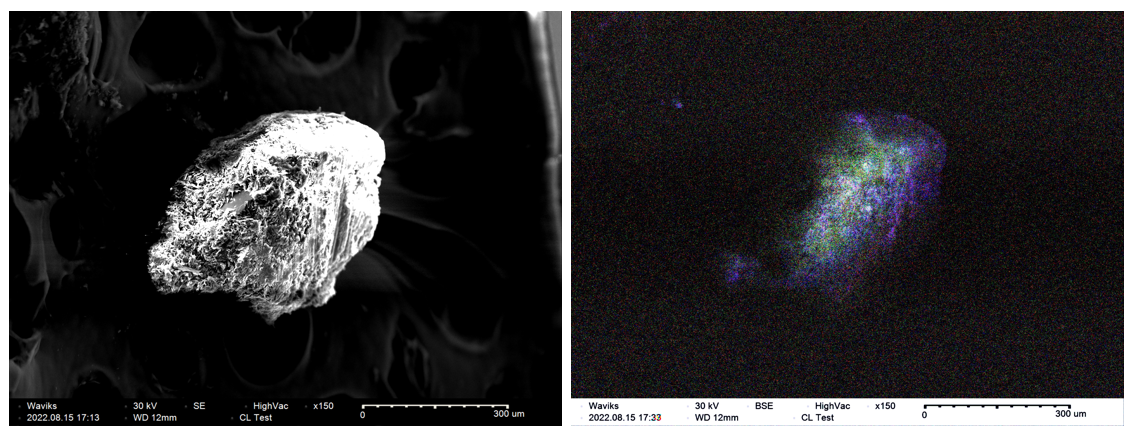
Collect optical emission and compare it with electron images.
View CL/PL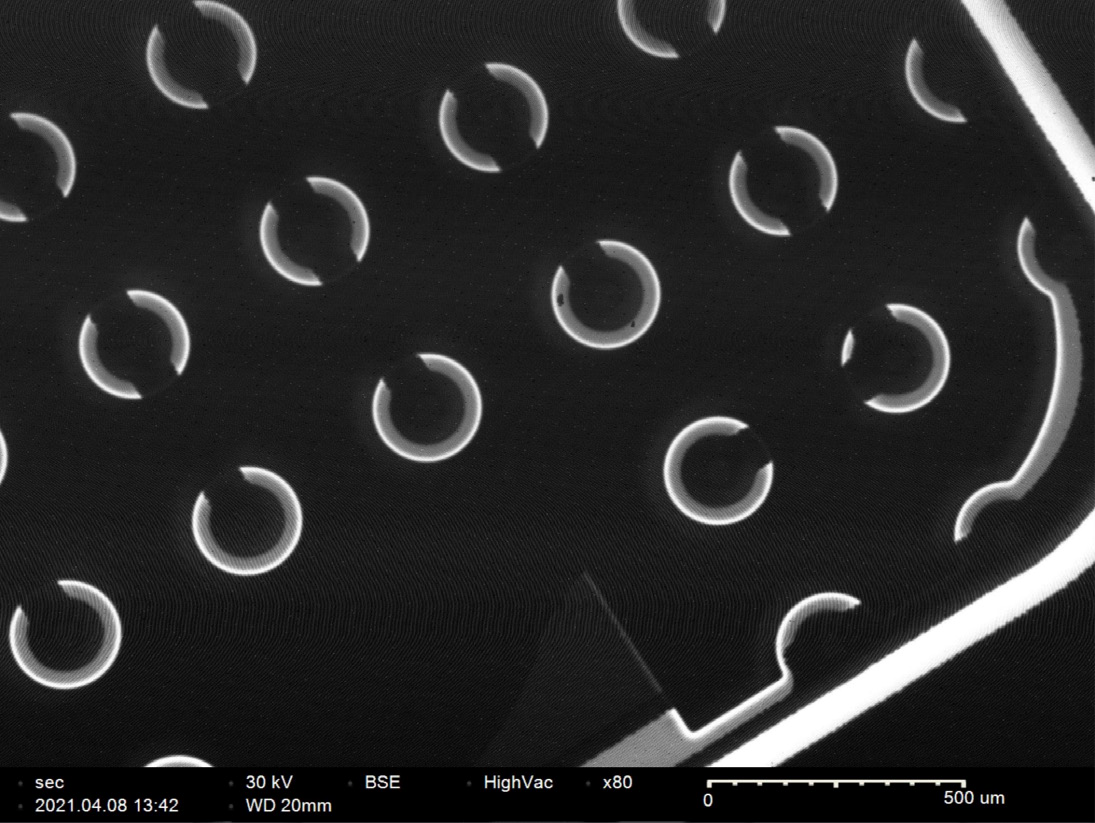
Map current response from contacted samples.
View EBIC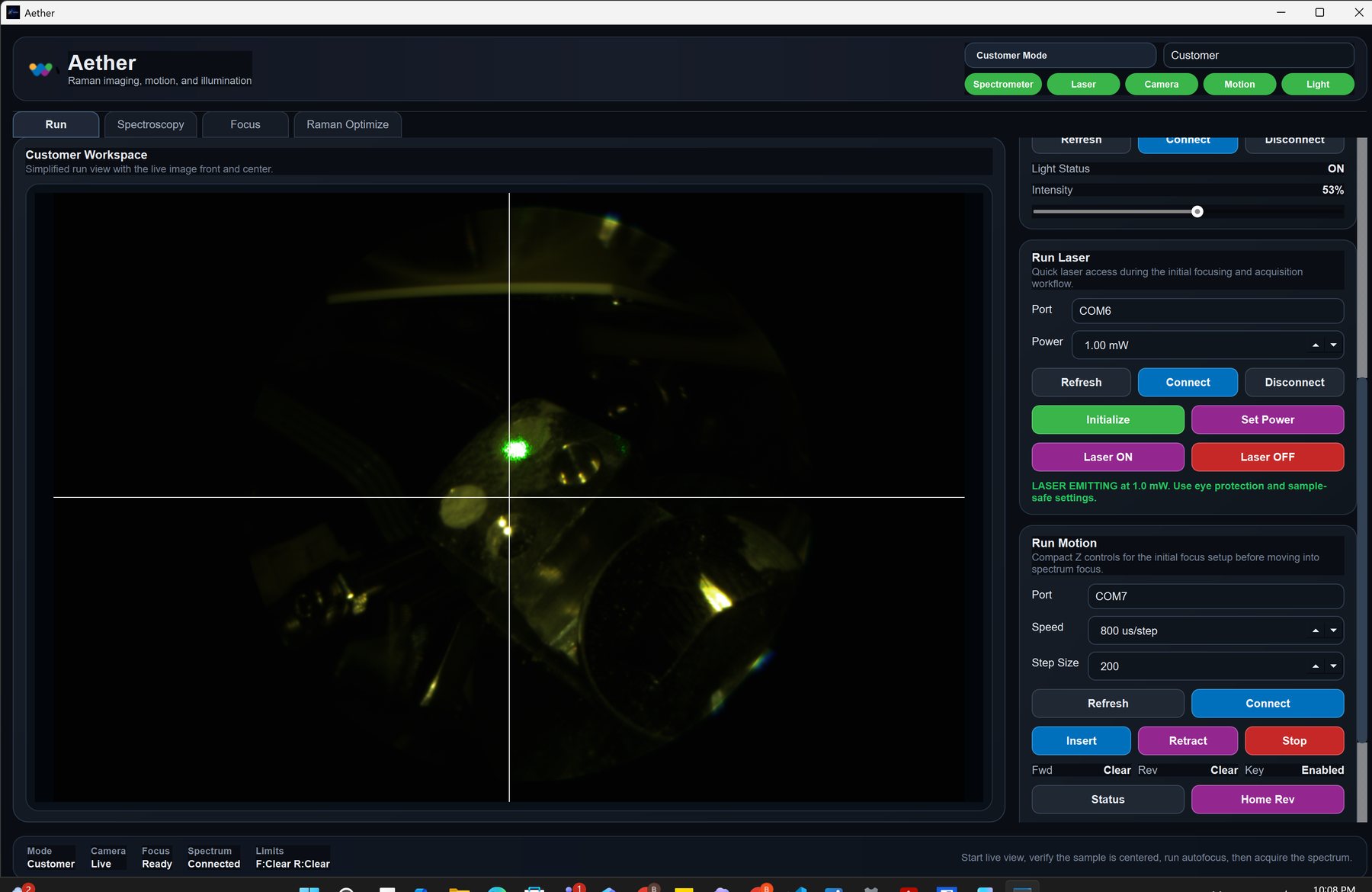
Stimulate the sample with light and compare response with microscope data.
View Optical Excitation
Study photon-stimulated electron energy gain and loss in supported S/TEM experiments.
View Stimulated EELS and EEGSApplications
Connect a local stimulus or measured signal with what you see in the microscope.
Heat, stimulate, or illuminate a region while imaging the sample.
Pair electron images with Raman spectra or optical emission.
Study laser-assisted deposition, purification, annealing, or modification.
Compare electron images with optical or electrical measurements from aligned regions, without transferring the sample.
Aether Software
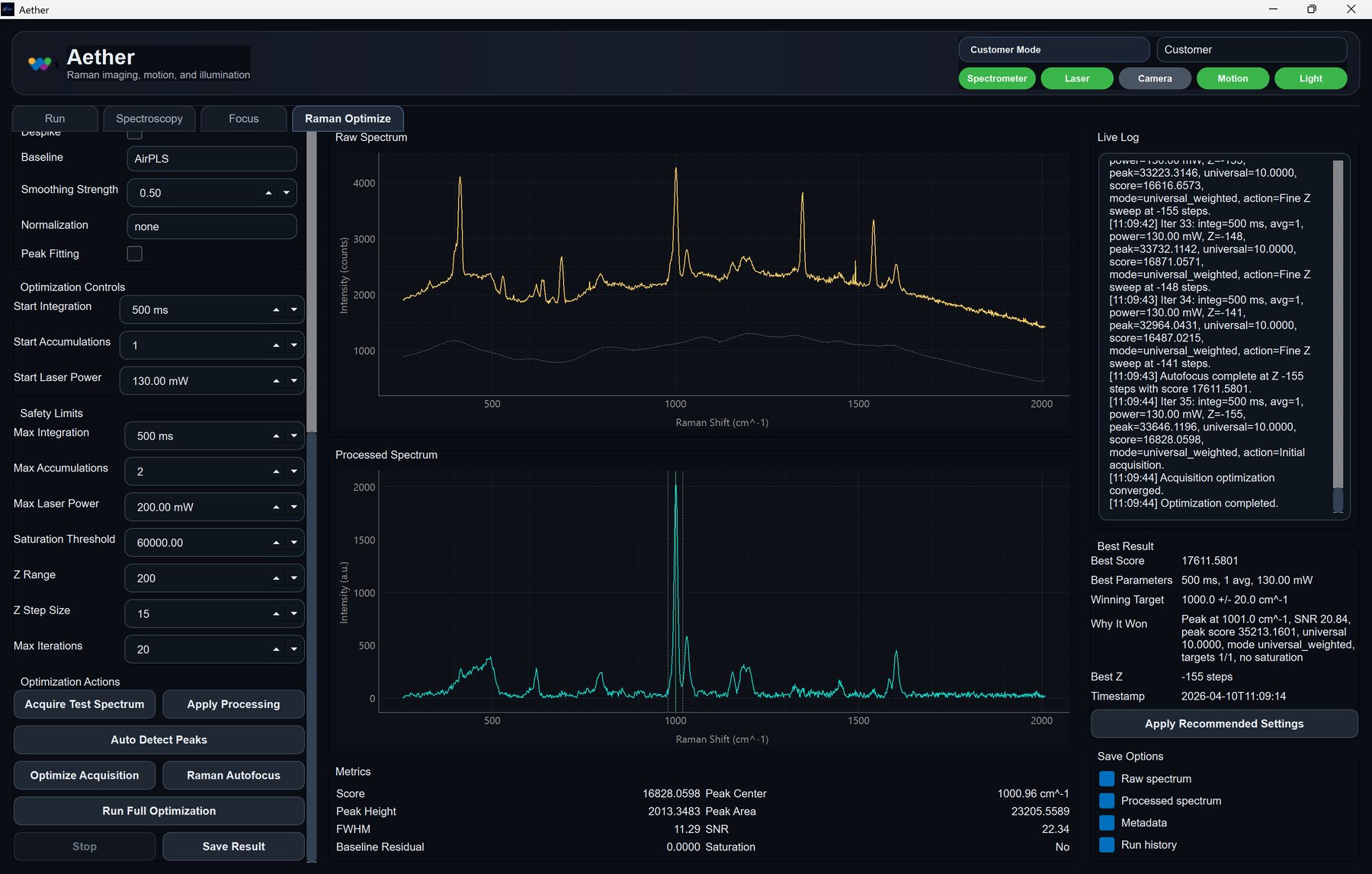
Included with Vesta, Aether brings alignment, spectra, laser controls, and positioning into one software environment. Spend less time switching tools and more time conducting experiments.
Publications
Explore research using Waviks systems for spectroscopy, photothermal studies, and laser-assisted fabrication, alongside clearly identified predecessor-technology research.

Wu et al. used in situ laser heating to study thin-film transformation paths in TEM.
DOI: 10.1017/S1431927618015465
Published work connects optical excitation with electron energy-gain and energy-loss spectroscopy of plasmonic nanoparticles.
DOI: 10.1021/acsphotonics.9b00830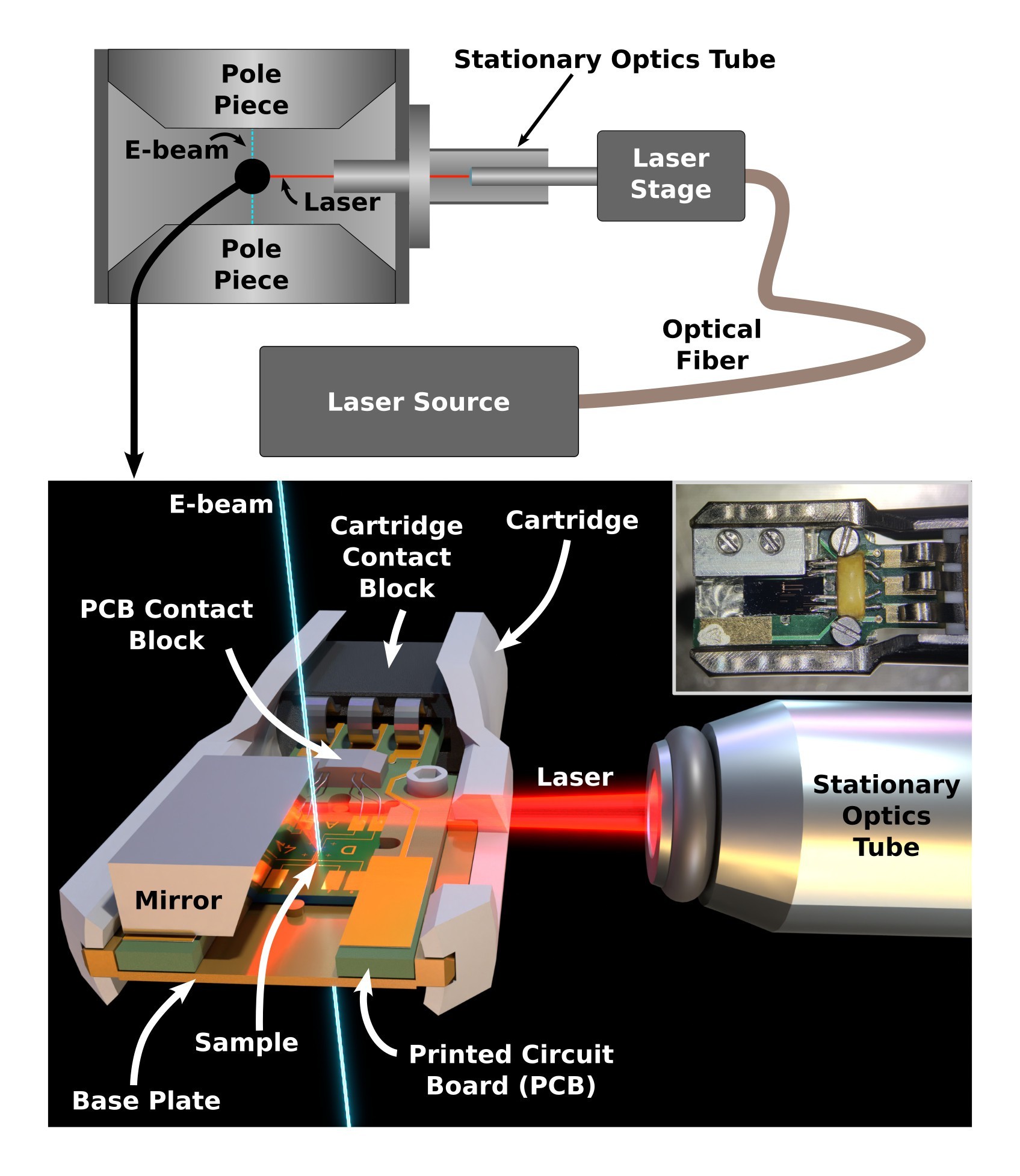
A side-entry S/TEM study demonstrated laser cleaning of graphene and a laser-induced phase change in PdSe2, with electron images recorded between exposure steps.
DOI: 10.1002/admt.202401208Research using predecessor Omniprobe laser-delivery technology demonstrated improved purity and resolution in platinum deposition. This is historical research, not a performance specification for current Vesta systems.
DOI: 10.1039/c2nr33014hResearch and Partner Ecosystem
Waviks works with scientists and engineers at Oak Ridge National Laboratory, the Center for Nanophase Materials Sciences, Sandia National Laboratories, the University of Tennessee, Knoxville, and NC State University. Before founding Waviks, the team installed and supported more than 900 port-mounted nanomanipulators and gas injection systems at Omniprobe. Vesta development was supported by NSF SBIR awards 1721719 and 1853201.









FAQ
Vesta has configurations for Tabletop SEM (SEC Alpha), full-size SEM/FIB, S/TEM, and custom vacuum systems. We review ports, chamber geometry, and working distance before quoting.
No. Vesta is a complete laser system that mounts on a port of your microscope. Aether control software is included.
Vesta supports pulsed and continuous-wave lasers, with wavelengths from 200 to 2,000 nm depending on the source and optics. Heating, EEGS, and optical-excitation systems include an onboard pulser that can drive compatible CW lasers with pulse widths as short as 50 ns. See Products for laser-output power and focused-spot specifications.
There's no maximum beyond what your sample tolerates. Published TEM work on an Ag-Ni thin film reached ~1445 °C in simulation DOI: 10.1017/S1431927618015465
Microscope make and model, available ports, sample type, the measurement you want, and any laser-safety requirements.
Tell Waviks what you need to heat, excite, collect, or correlate. Include the microscope model, sample environment, desired modality, and software needs so the team can identify a practical next step.